US imposes smoke tariff on Canadian goods
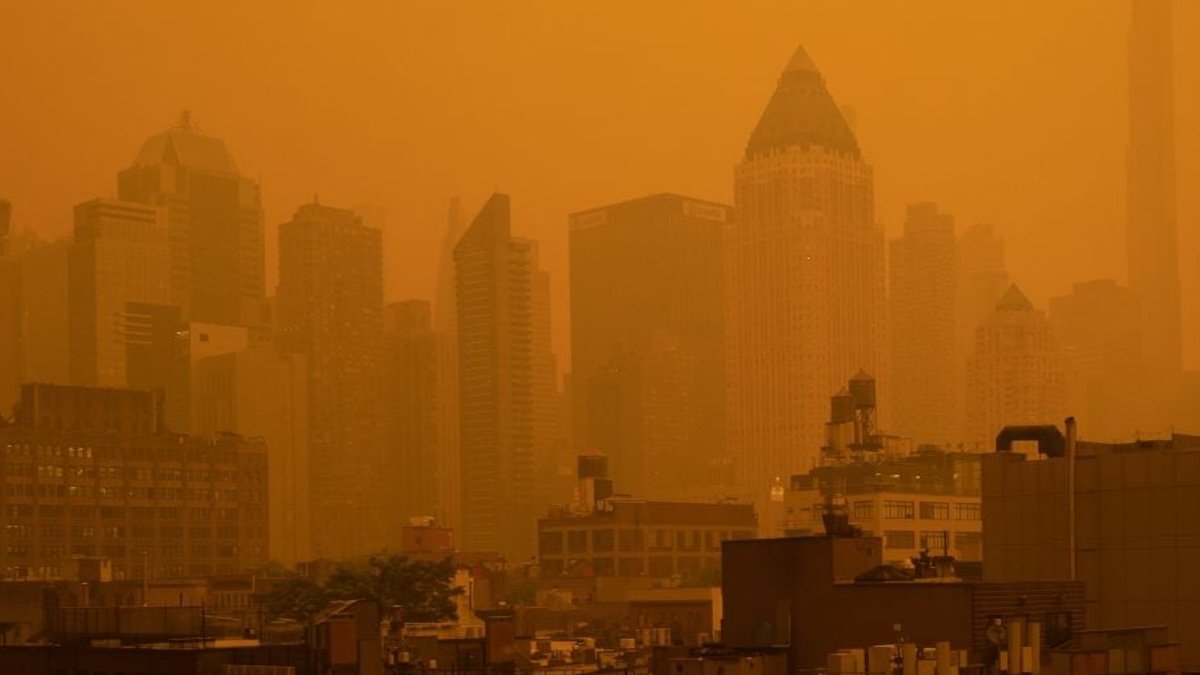
The US has set a global precedent by imposing a ‘smoke tariff’ on Canada, following months of wildfires that have affected the country. The move has sparked a bilateral security and trade dispute between the two G7 economies.
According to the report, the Canadian government was deemed “wilfully negligent” in forest management, leading to the decision to impose higher tariffs. This marks the first time a great power has demanded a price for transboundary climate-driven harms and extracted compensation unilaterally.
Climate Change and International Relations
Climate change has become a major factor in international relations. The US-Canada dispute marks the opening of a new era. Science will not adjudicate climate-related costs, which will instead be used by whoever holds power.
Canadian Prime Minister Mark Carney has been a prominent voice on climate matters, having spent a decade as the world’s most influential financial voice on the issue. However, as prime minister, he faces pressure from a domestic coalition demanding expanded oil and gas production.
The Canadian government’s situation is complex, with Mark Carney facing challenges in balancing climate concerns and economic demands. They must handle these competing interests to find a solution.
Global Implications
The US-Canada dispute has global implications, as countries such as India, Pakistan, and China share Himalayan-fed rivers, and six countries contest control over the Mekong River’s flows. Displaced peoples are constantly pressing on Europe, representing a potential source of conflict.
Countries like Mozambique, which have been battered by climate-related problems they did not cause, may make claims against the largest emitters. Small island states have already brought the issue to the International Court of Justice.
Related: Adventure Team Clings to Drunken Dragon’s Tail
Europe’s potential losses are significant, and they must consider the long-term effects of their actions. The economic implications of climate change are far-reaching and require a coordinated response.
Priorities for Policymakers
Policymakers should focus on three priorities: treating climate resilience as a form of shared security, establishing a common machinery for assessing transboundary climate harms, and preventing sovereignty claims from being pitted against decarbonization.
Investing a portion of tariff revenue jointly in fire management, watershed protection, and grid resilience could help neutralize the potential for conflict. The world needs a common machinery grounded in science for assessing transboundary climate harms.
A resilient, efficient carbon market that links emissions, market access, and climate-adaptation finance and investment coherently and predictably could provide a better alternative to border tariff logic. Perhaps the time has come for a real discussion on digital solutions to climate change.
The smoke over New York and New Jersey ultimately cleared, but the precedent has been set. Climate activists have long argued that countries must cooperate to prevent harm; now governments must take action as the harms mount.
It’s likely that the US-Canada dispute will not be an isolated incident, as the effects of climate change continue to be felt across the globe.
Countries must work together to address climate change.

The Key Services Offered by the Best Digital PR Companies


