Adventure Team Clings to Drunken Dragon’s Tail
Markets have kept climbing despite a string of economic and geopolitical shocks, but academics and regulators warn that the underlying financial system is unusually fragile.
Record debt and shifting ownership
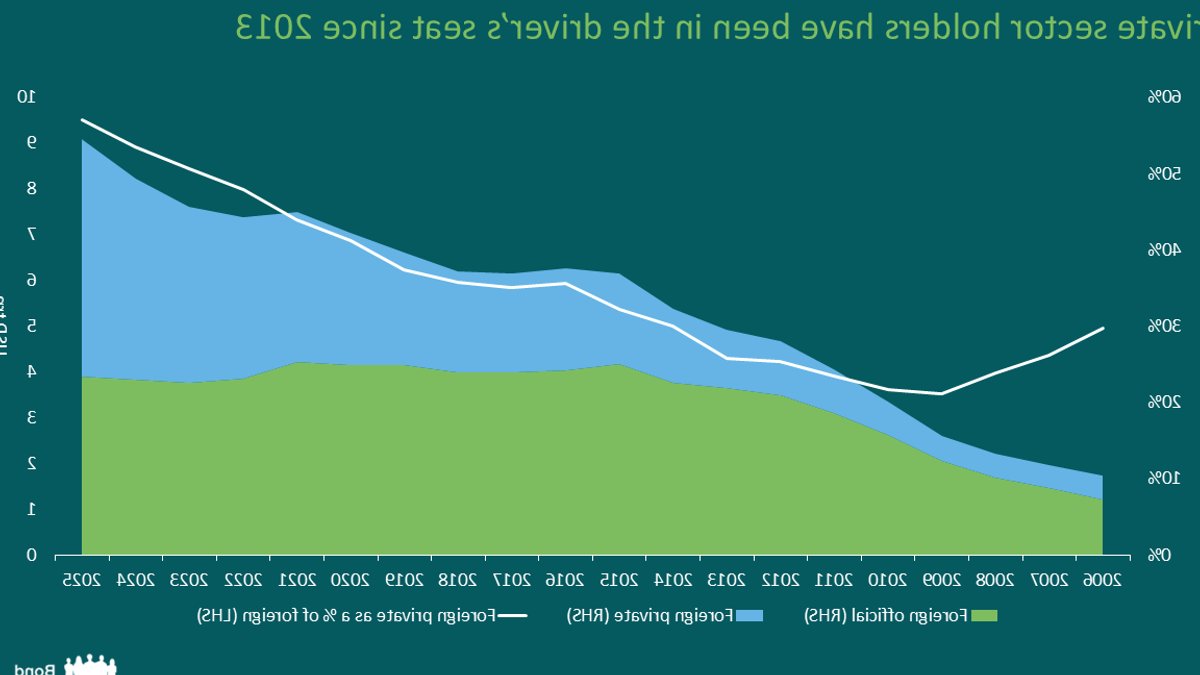
The United States now carries a record amount of sovereign debt, most of which is held by investors who can move quickly in response to price changes.
U.S. external liabilities are stark: the Net International Investment Position shows a deficit equal to about 90% of domestic GDP, or roughly a quarter of the world’s combined output. That figure dwarfs the 28% deficit recorded in 2009, suggesting the “exorbitant privilege” that once let the United States finance deficits cheaply is eroding.
Non‑bank financial institutions take the lead
Regulatory tightening after the 2007‑09 crisis pushed financing away from traditional banks toward non‑bank financial institutions (NBFIs).
Related: SpaceX Threatens Telecom and Cable Giants
These institutions also hedge foreign‑exchange risk through swaps that typically mature in under a year, creating short‑term funding risk.
While the shift away from banks might look like a diversification of risk, the reality is a tighter nexus among sovereign borrowers, banks, and NBFIs that could amplify shocks.
The global financial system has become a “drunken dragon” whose tail – the market – is now pulling the beast forward. If the tail stumbles, the whole creature may wobble.
Implications for emerging markets and the dollar
Developed‑market sovereign debt is now held by investors with more volatile funding structures, raising the chance of abrupt repricing. Emerging economies, which have historically suffered from sudden stops in external financing, could face similar pressures if market sentiment turns sharply.
Related: The Grand Resort Hurghada Is Your Gateway to Red Sea Paradise
Even the U.S. dollar’s safe‑haven status is under question. In past crises, investors fled to Treasury securities, easing U.S. rates. This time, concerns about the fiscal balance and the ability to service debt could limit that flight, leaving markets without a clear “risk‑free” anchor.
Jeffrey Gundlach, known as the “Bond King,” recently reshuffled his funds in anticipation of a possible U.S. debt restructuring, highlighting the growing unease among seasoned investors.
The S&P 500’s year‑to‑date rise of 10.35% masks a backdrop of heightened imbalances that could test the resilience of both developed and emerging economies.

SpaceX Threatens Telecom and Cable Giants


