SpaceX Threatens Telecom and Cable Giants
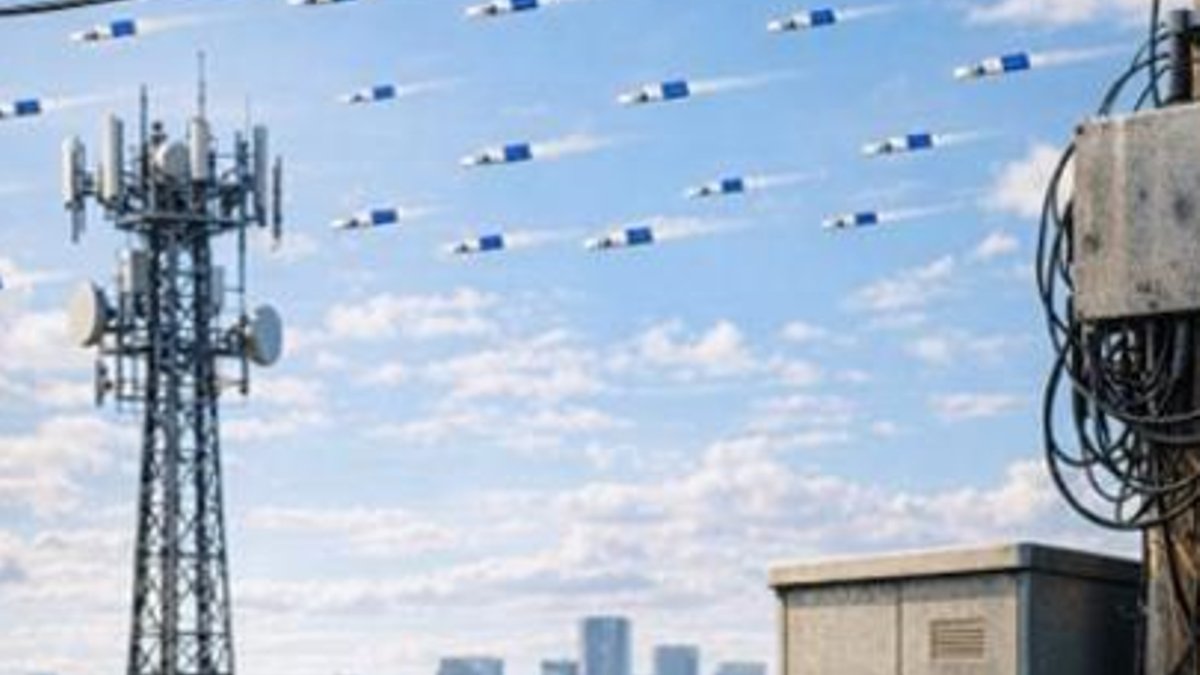
SpaceX’s recent IPO has raised $75 billion in proceeds, with an enterprise value of over $2 trillion and a total addressable market of almost $29 trillion. The company’s valuation is driven by its space-based data centers and moon bases, but its more immediate impact may be felt in the telecom industry.
The Connectivity segment, which operates a constellation of 9,600 low earth orbit satellites under the Starlink brand, is SpaceX’s cash cow. These satellites provide broadband and mobile voice and data services to consumers in remote areas where terrestrial networks are patchy or absent.
In 2025, the Connectivity unit generated $3 billion in free cash flow from almost 9 million broadband and over 6 million mobile global subscribers. This amount is small compared to the $111 billion in free cash flow generated by the 5 largest US telecom and cable players, but SpaceX’s controlling shareholder and CEO, Elon Musk, has ambitious plans to expand the company’s reach.
Musk plans to launch 10,000 next-generation V3 satellites from late 2026, each with 1 terabit of capacity, which is 10 times the capacity of the current V2 satellites. This will boost median download speeds to levels comparable to fiber and cable terrestrial alternatives and allow for lower pricing, affecting the global risks in the market.
Incumbent operators will not sit idly by, however, and can try to lock in their customer base through converged broadband and mobile bundles or cut their standalone broadband pricing. Either way, the risk is broadband subscriber losses or revenue per subscriber decline.
Related: Ghana oil output exceeds 100000 barrels daily
The US’s dominant broadband providers, such as Comcast and Charter, are most exposed to this risk. Their equity has fallen by approximately 30% and 70% in the last year, respectively. Musk may counter the incumbents’ counter-measures by expanding into mobile services, which could be a major disruptor to the telecom industry.
SpaceX’s “direct to device” (D2D) service is currently seen as a complementary in-fill service, but Musk may have bigger plans. The company could build or buy a terrestrial network to offer mobile services beyond remote areas.
Tower companies look well-positioned to benefit from the potential disruption. If the US goes to four networks, demand for space on the towers will increase.
SpaceX will be a major player as the telecom industry continues to evolve. With its ambitious plans and significant resources, the company is poised to disrupt the status quo and create new opportunities for consumers and investors alike. SpaceX is about to impact the market in a significant way, and it will be interesting to see how the industry evolves in the coming years.

Markets brace for rising global risks


