INE Council President Taddei Resigns, Succession Starts
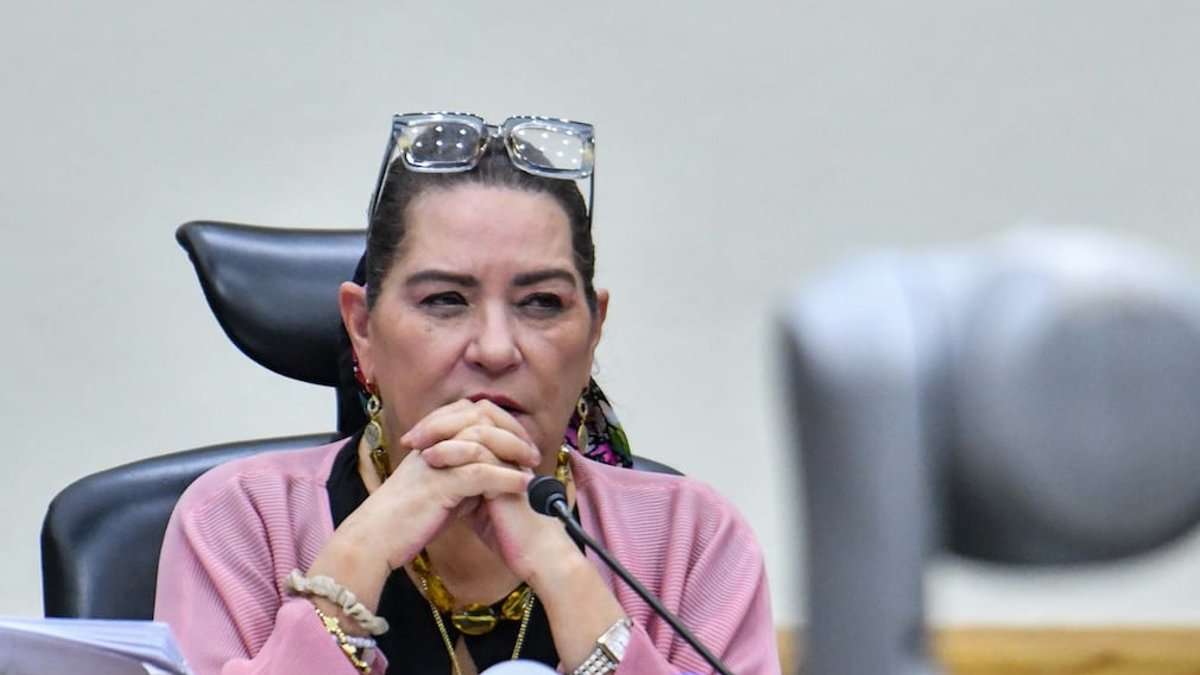
Guadalupe Taddei announced Sunday that she will submit her resignation to the INE on Monday, Oct. 26, creating a constitutional vacancy that will trigger the succession process established by law.
Reasons behind the resignation
The council president said she is stepping down to protect the agency’s stability, credibility and independence amid reports of possible irregularities involving suppliers and alleged conflicts of interest. She added that remaining in office could further erode public confidence in the electoral authority.
Mexico’s top audit office has opened a formal investigation, but Taddei emphasized that the allegations have not yet been proven and must be clarified through institutional channels. The audit body’s involvement signals that the matter will be examined with full legal rigor.
Constitutional framework for a replacement
Under article 41 of the Mexican Constitution, the Cámara de Diputados is empowered to name a successor who will serve the remainder of the term, which runs until 2032. The provision requires that the new leader be selected in a transparent and time-bound manner.
Ricardo Monreal, Morena’s coordinator in the lower house, said the chamber will outline the selection steps and will summon the Jucopo to begin legislative work once the resignation is formalized. He noted that the process must respect both constitutional mandates and internal regulations.
Key stages of the selection
First, the institute’s General Council must appoint a provisional president from among its members to keep the body operational. This interim appointment will be reported to the lower house for acknowledgment.
Read Also: Brewers Edge Rays 3-2 to Win Game One
Second, he will adopt a detailed procedure, setting deadlines and criteria for candidates. Monreal indicated that the Jucopo will be called to draft the schedule that governs each phase of the selection.
Third, a public call will be issued, allowing any individual who meets constitutional and legal requirements to submit an application. The announcement will be published in the official gazette and on the agency’s website.
Fourth, a technical committee will screen applicants, verify eligibility and assess suitability before forwarding qualified profiles to the next stage. The committee’s review will focus on professional experience, impartiality and compliance with the law.
Fifth, the assembly will vote on the proposed candidate. Approval requires a two-thirds majority of deputies present; if that threshold is not reached, the Constitution provides an alternative mechanism to ensure a decision is made.
Finally, the chosen individual will assume the presidency for the remaining period, ending in 2032. Current electoral councilors are barred from running for the vacancy, guaranteeing that the new leader comes from outside the existing council.
Monreal estimates the entire procedure could take four to five weeks. During that span, the interim head will maintain routine functions of the institute and oversee ongoing projects without interruption.


