Parliament’s summer print edition released
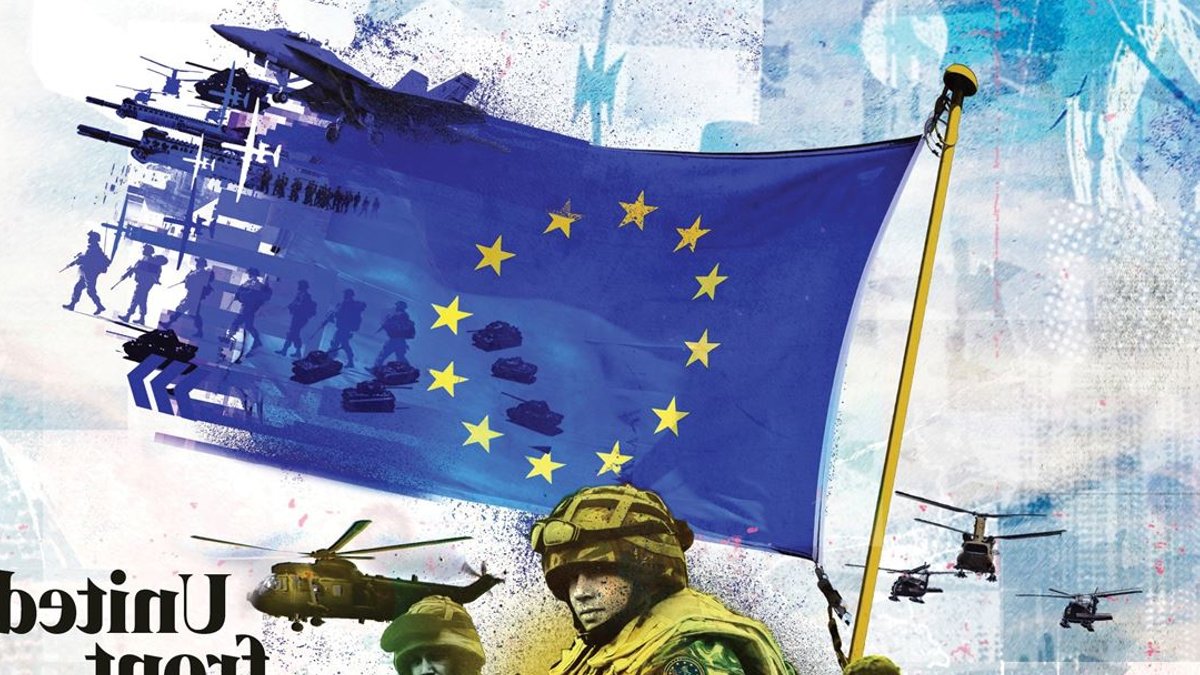
The European Union’s largest military exercise in decades is taking place in Zaragoza, Spain. The drills aim to show the EU can mobilize troops within 10 days, a target officials view as essential for European autonomy.
Dust and diplomacy
The exercise simulates intervention in a fictional crisis along the EU’s southern flank. The terrain, with its arid plains and rocky hills, resembles potential deployment zones in North Africa or the Balkans.
The European Defence Agency is coordinating logistics for the first time, including rapid transport of troops and equipment via military airlifts. The timing stands out. The drills began weeks after Russia intensified its offensive in Ukraine and amid frustration over delays in U.S. military aid. While the EU has sent billions in weapons to Kyiv, its own defense infrastructure remains fragmented. The exercise is intended to show Europe can act independently—or at least that it is making the effort.
A test of political will
The exercise also highlights ongoing divisions. Poland and the Baltic nations have advocated for a stronger military posture, while Ireland and Austria remain cautious about militarization. The rapid deployment force operates on a voluntary basis, with no binding commitments from member states. An EU diplomat noted it marks a beginning, but governments must follow through when needed.
Zaragoza’s selection carries symbolic weight. The city, a historic crossroads between Europe and the Mediterranean, has hosted military exercises for centuries. This time, the context feels different. NATO has long overshadowed the EU’s defense ambitions, but rising transatlantic tensions are pushing Brussels to demonstrate self-reliance.
Defense spending across the bloc has increased by 20% since 2021, though it still falls short of NATO targets. The European Defence Fund, with an €8 billion budget, aims to encourage joint procurement, but progress has been slow. The exercise serves as both a practical test and a signal to allies and adversaries that Europe is prioritizing its security.
Related: Union Bank launches Philippines’ first sustainability bond
Previous attempts to strengthen military cooperation, such as the Battlegroups, have faced funding and political challenges. The war in Ukraine has added urgency, prompting even skeptics to recognize that Europe can no longer fully outsource its defense.
In Zaragoza, the exercise blends advanced technology with basic field operations. Drones scout ahead of infantry units, while medics treat simulated casualties in temporary hospitals.
The EU’s defense goals have often been more talk than action. Yet in Zaragoza, the difference between ambition and reality seems smaller. What happens after the troops leave will determine whether Europe’s leaders can turn exercises into lasting change.
Reactions in Brussels are divided. Some lawmakers view the drills as progress toward strategic autonomy, while others call them a publicity move. The reality likely falls somewhere in between. For now, the focus remains on the soldiers in Zaragoza, who are demonstrating that the EU’s rapid deployment pledge is more than words.
This effort could shape the bloc’s role in future crises. Ireland’s potential influence in EU budget decisions may also play a part in how defense priorities evolve.

Ireland could shape EU’s next budget


