EU carbon market faces major overhaul
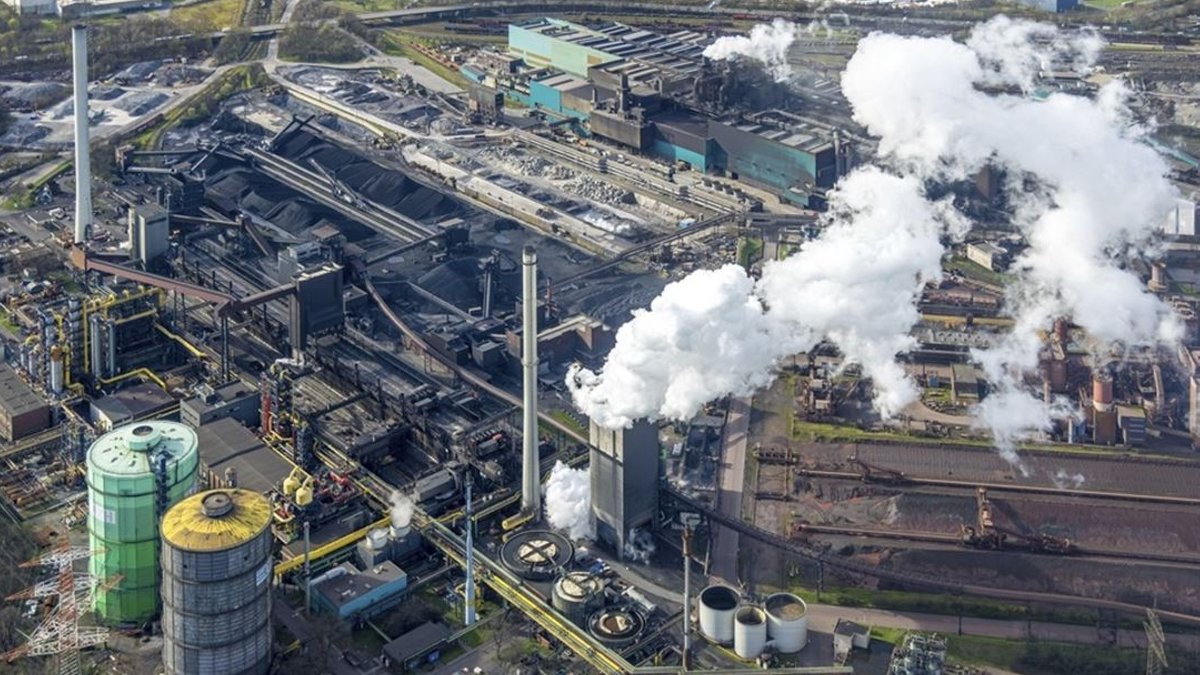
The European Commission is set to unveil a sweeping overhaul of its flagship carbon market, the Emissions Trading System (ETS), on Friday, testing its ability to balance the needs of ailing industries with its climate ambitions. The ETS, considered the cornerstone of the EU’s quest to become climate-neutral by 2050, is designed to push heavy polluters to clean up by putting a price on every ton of carbon they emit, with carbon permits currently trading at around €80 per ton.
According to the report, the review is meant to align the ETS with the bloc’s target of cutting its greenhouse gas emissions by 90% by 2040. However, economic weakness and an energy crisis have amplified calls to grant companies extra time to decarbonize.
The reform was always bound to be contentious, determining not only the future cost of pollution but also how to ring-fence ETS revenues that have until now flowed directly into national budgets. Launched in 2005, the Emissions Trading System requires power generators, energy-intensive industries, shipping companies, and airlines to pay for the carbon they release into the atmosphere.
Related: Europe’s Budget Debate Has a Blind Spot
Industry heavyweights such as Lakshmi Mittal of ArcelorMittal and Markus Kamieth of BASF have repeatedly slammed carbon pricing as an unnecessary burden on manufacturers, calling the system “obsolete” and warning that thousands of jobs are at risk unless Brussels steps in.
The divide is now squarely reflected among EU member states, with Italy and Austria leading a push to substantially weaken the carbon market, while Denmark, Finland, Luxembourg, Portugal, Slovenia, Spain, Sweden, and the Netherlands argue the ETS is a cornerstone of the bloc’s climate strategy.
Even many on the political right acknowledge the delicate trade-off between easing pressure on struggling businesses and preserving incentives to invest in cleaner industries. German center-right MEP Peter Liese wrote, “Tight is right, too tight is broken,” cautioning that frontrunners shouldn’t be the victim of the review.
Related: SpaceX Threatens Telecom and Cable Giants
In the middle of this debate, it’s clear that the outcome of the ETS reform will have significant implications for the people most affected by it – those working in industries that will be forced to adapt to new, stricter regulations. The reform may lead to job losses in the short term, but it could also create new opportunities for workers in the clean energy sector, as companies invest in new technologies and infrastructure to reduce their carbon footprint.
One of the standout measures to watch is the emissions-reduction trajectory, known as the linear reduction factor (LRF). The LRF determines how fast
Experts warn that the politicization of the ETS risks overshadowing the bloc’s competitiveness agenda. Domien Vangenechten said, “You need to make certain tweaks in order to make sure that the ETS not only works for frontrunners but also those industries that might have good intentions but are struggling to make investments and get access to energy.” However, he also cautioned that tweaking the ETS may not solve the underlying constraints facing industries.
Related: AI drives high-yield investment shift
The implications of the ETS reform are far-reaching, and the outcome will depend on the ability of EU leaders to balance competing interests and find a solution that works for all parties involved. As the EU continues to address the challenges of reducing its greenhouse gas emissions, the ETS will remain a key tool in its quest to become climate-neutral by 2050.
They must find a balance between the needs of industries and the need to reduce emissions.

Europe's Budget Debate Has a Blind Spot


