EU defense strategy outdated says Kubilius
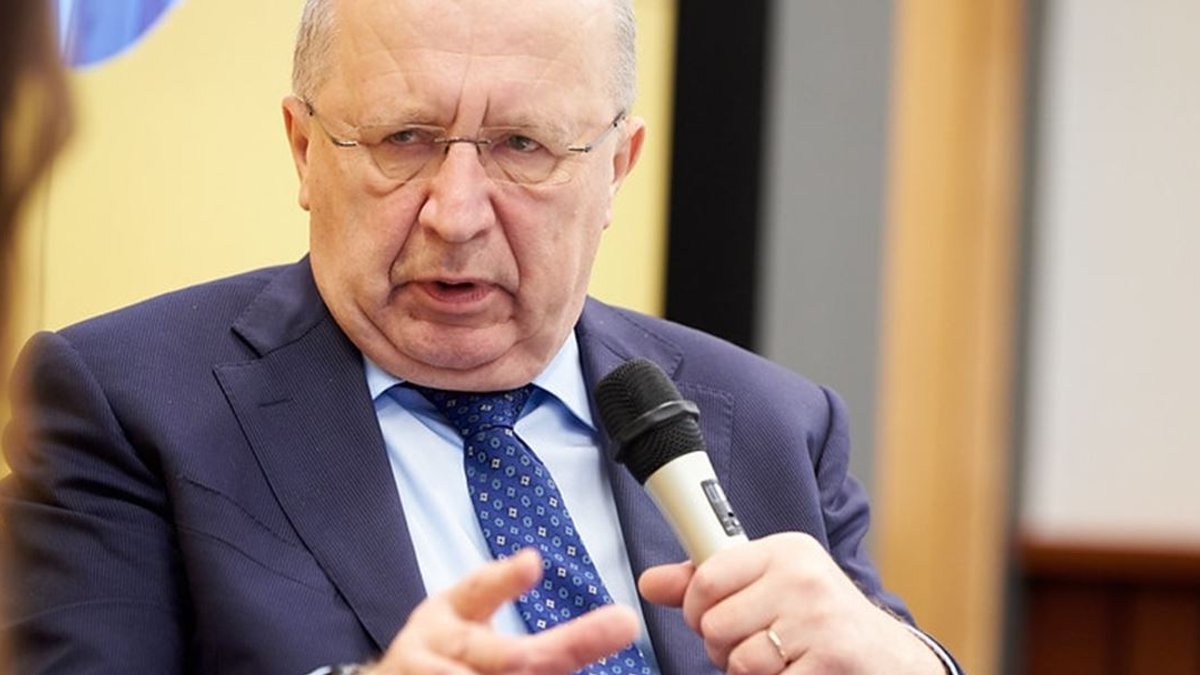
Europe’s defense structure, designed for peacetime, no longer meets the continent’s security demands. Andrius Kubilius, the European Commission’s Commissioner for Defense and Space, made this clear during a speech at the European Industry Forum in Brussels this week.
Kubilius, a former Lithuanian prime minister, stated that the European Union’s current system of 27 separate national defense policies and budgets has left the bloc unable to address critical capability gaps and expand its defense industry. A stronger top-down approach must complement the existing bottom-up model to resolve these issues.
National control, European coordination
While member states should retain authority over their defense policies, Kubilius argued that the EU requires new mechanisms to align differing strategic cultures and threat assessments. His proposal includes establishing a European Defense Union and a European Security Council that could involve non-EU nations such as the U.K., Norway, and Ukraine.
Such a council would cover areas from NATO’s European pillar to defense industrial policy. Though the concept isn’t new, Kubilius observed growing support for it in the European Parliament, several EU capitals, and among Commission President Ursula von der Leyen. He noted that Europe’s changed security environment has made the old peacetime framework outdated.
Related: Regulators tighten grip on tech giants
The current system has led to fragmentation. Europe’s reliance on national procurement has divided its defense industry, with major economies like Germany and France prioritizing domestic suppliers. Economist Guntram Wolff highlighted that Germany now awards 60% of its defense contracts to local companies—twice the share from 2020—while importing almost nothing from other European nations.
This approach affects military strategy. Kubilius cited Ukraine as an example of how Europe should adapt, incorporating smaller firms and startups into procurement. He explained that traditional procurement methods limit innovation and shape outdated doctrines. Established contractors still dominate, leaving little room for new players to emerge.
The issue extends beyond funding. While Europe’s defense spending has increased since Russia’s invasion of Ukraine, much of the money goes to long-standing contractors rather than innovative businesses. Kubilius emphasized that small and medium-sized enterprises lack opportunities to grow within the current system.
A single market for defense
The European Commission will introduce a package by early July to create a unified market for defense products and services. The aim is to reduce fragmentation and cut costs for scaling the industry. Kubilius described the absence of such a market as a major strategic issue for the bloc.
Related: Janus Henderson buys Insignia investor units
Previous attempts to streamline Europe’s defense industry have failed due to sovereignty concerns. However, the war in Ukraine has prompted a reassessment. The key question remains whether member states will relinquish enough control to make coordination effective or if national interests will continue to override collective security.
The reform effort is gaining momentum. Kubilius admitted that change won’t come easily, given the EU’s history of reacting to crises rather than preventing them. The challenge lies in converting urgency into concrete action before another crisis emerges.
Regulators have intensified scrutiny of large technology firms, reflecting broader concerns about market dominance and innovation.

Regulators tighten grip on tech giants


