Trump Departs Ankara Amid NATO Tensions
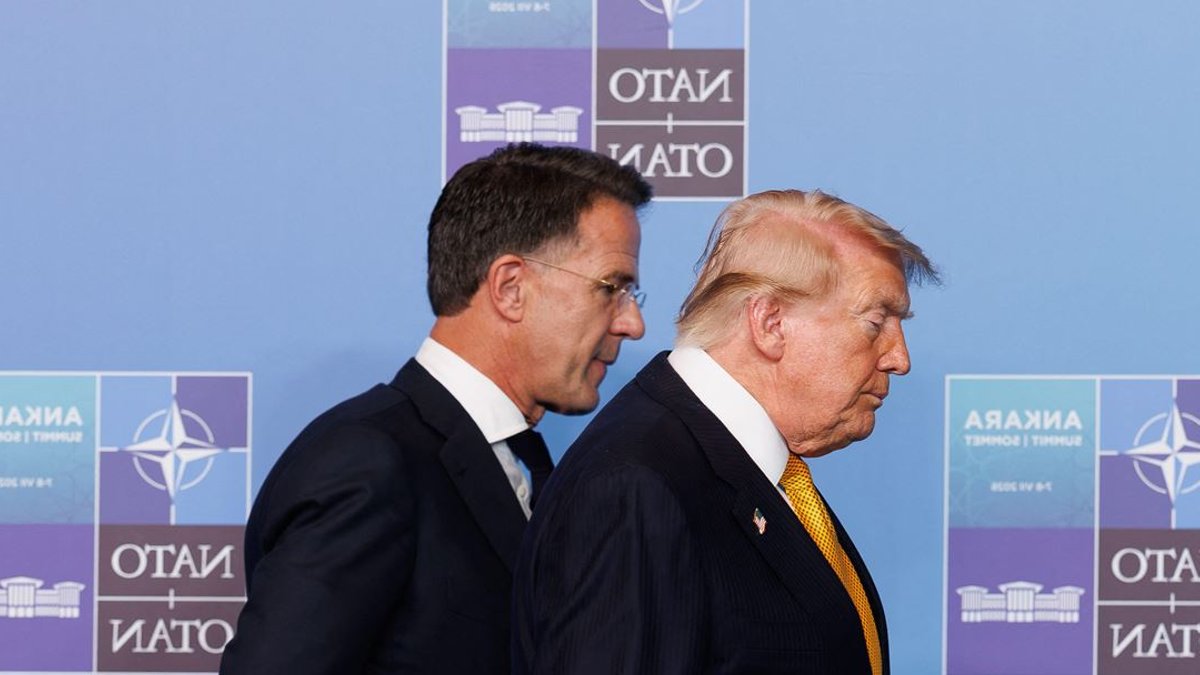
NATO Secretary-General Mark Rutte and U.S. President Donald Trump considered the two-day summit in Ankara a success. However, behind the shared triumphalism, the meeting told two different stories.
Trump reiterated many of his familiar grievances during the summit’s first 24 hours, accusing European allies of failing to support the United States during the conflict with Iran and threatening trade retaliation against Spain.
He also suggested that, were it not for his close relationship with Turkish President Recep Tayyip Erdogan, he might not have attended the gathering at all.
By the summit’s close, however, Trump’s tone had softened, largely satisfied with the agenda centered on higher defense spending and expanding NATO’s defense industrial base.
Related: Cancer care nutrition plan prioritises patient voices
According to MEP Nicolás Pascual de la Parte, the six-point summit declaration delivered what allies needed most: a public display of unity despite lingering tensions.
“It reaffirms every ally’s commitment to Article 5’s mutual defense clause, maintains support for Ukraine with significant funding this year and similar levels next year, and, for the first time, acknowledges that the European allies and Canada are assuming a greater share of the alliance’s conventional defense burden,” he said.
The declaration also included a commitment to increase defense spending, with NATO allies announcing at least $50 billion in defense deals at the NATO Industry Forum.
Among them was a major agreement by 11 allies to purchase airborne early warning and control aircraft from Swedish defense company Saab.
Related: Comcast splits with bright future ahead
The harder task now is converting higher defense spending into the weapons, equipment, and military capabilities NATO needs — a challenge that will depend as much on industrial production as on political will.
One senior NATO official said, “There isn’t enough industrial capacity on either side of the Atlantic to meet demand.”
The challenge is not simply increasing spending but ensuring that investment translates into jobs and capabilities, and that all 32 allies improve their capabilities and are more prepared to respond to all types of crises.
NATO’s future depends on this.

Cancer care nutrition plan prioritises patient voices


