Currency Constraints Hinder Climate Shift in Global South
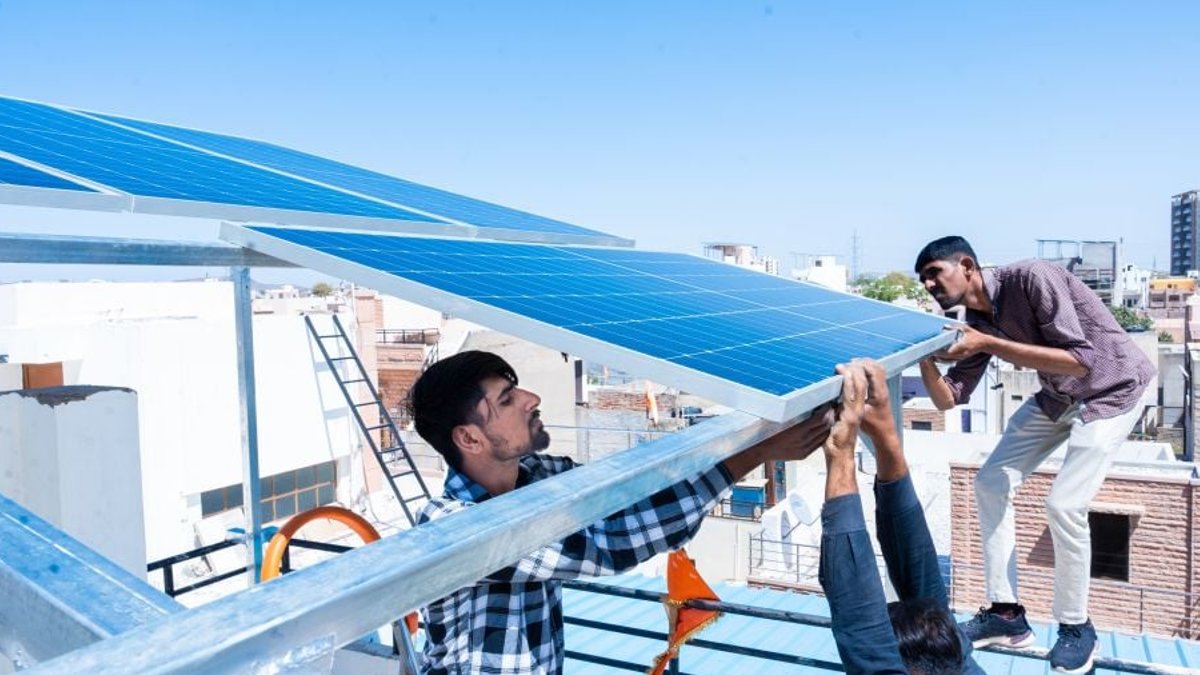
The “currency wall” that separates long‑term savings in wealthy economies from climate projects in the Global South is tightening the path to the needed $2.4 trillion annual climate investment in emerging markets and developing economies (EMDEs) by 2030.
Why the gap persists despite viable projects
Solar farms in India, wind schemes in South Africa and electric‑bus programs in Latin America all use proven technology and are awarded through competitive processes. Yet investors in these ventures often see returns calculated in local currencies, such as the rupee, rand or rupiah.
When a dollar‑based investor must convert cash flows, expected depreciation and hedging expenses can add five to six percentage points to the equity return required. In many markets, these costs have consistently exceeded actual currency loss by about two points each year. With typical financing structures that rely on a 2:1 debt‑to‑equity mix, the weighted average cost of capital climbs another one to two points.
Because construction and financing dominate the lifetime cost of renewables, the extra cost makes hard‑currency capital less competitive in auctions where locally funded investors set the price. In practice, a project that might return 15 %–18 % in rupee terms can end up delivering only 8 %–9 % when measured in dollars, well below the threshold many global funds require.
Related: Kore US Reit names new board director
How pricing mechanisms reinforce the barrier
Unlike a unified global market, climate infrastructure pricing is negotiated on a project‑by‑project basis—through auctions, regulated tariffs or long‑term concessions. In EMDEs, domestic savings are deep enough to establish a market price but too shallow to finance the transition. The marginal investor is domestic, while the missing investor is international.
After a local developer wins an auction, the cleared price becomes a benchmark that regulators feel compelled to honor. This pressure limits what distribution companies or municipalities can pay for power or electric buses, pushing the benchmark lower as thinly capitalized developers underbid.
Domestic savings alone cannot bridge the gap.
The aggregate pipeline of projects often exceeds what the domestic financial system can supply in long‑duration equity and debt. The resulting adjustment tends to be slower project rollout and underinvestment rather than higher prices that would attract foreign capital.
Related: Union Bank launches Philippines’ first sustainability bond
Potential steps to lower the wall
One approach is to expand long‑duration domestic equity by allowing pension funds and insurers to invest more heavily in professionally managed infrastructure vehicles.
These measures echo past experiences where targeted financial reforms helped unlock capital for large‑scale infrastructure. Just as earlier initiatives to develop local capital markets eased financing for transport projects, similar steps could reduce the currency mismatch that hampers climate investments today.
Understanding that the “currency wall” was built one risk premium at a time clarifies why global capital remains hesitant. By redesigning policy frameworks to mobilize domestic equity, mitigate currency risk, and shift multilateral lending toward local currencies, governments and institutions can break down the barrier. The payoff would be a rare triple win for the Global South, the Global North and the planet.

Kore US Reit names new board director


